Melbourne Wildlife Conservation: Protecting Australia's Unique Species
Category : | Sub Category : Posted on 2025-11-03 22:25:23
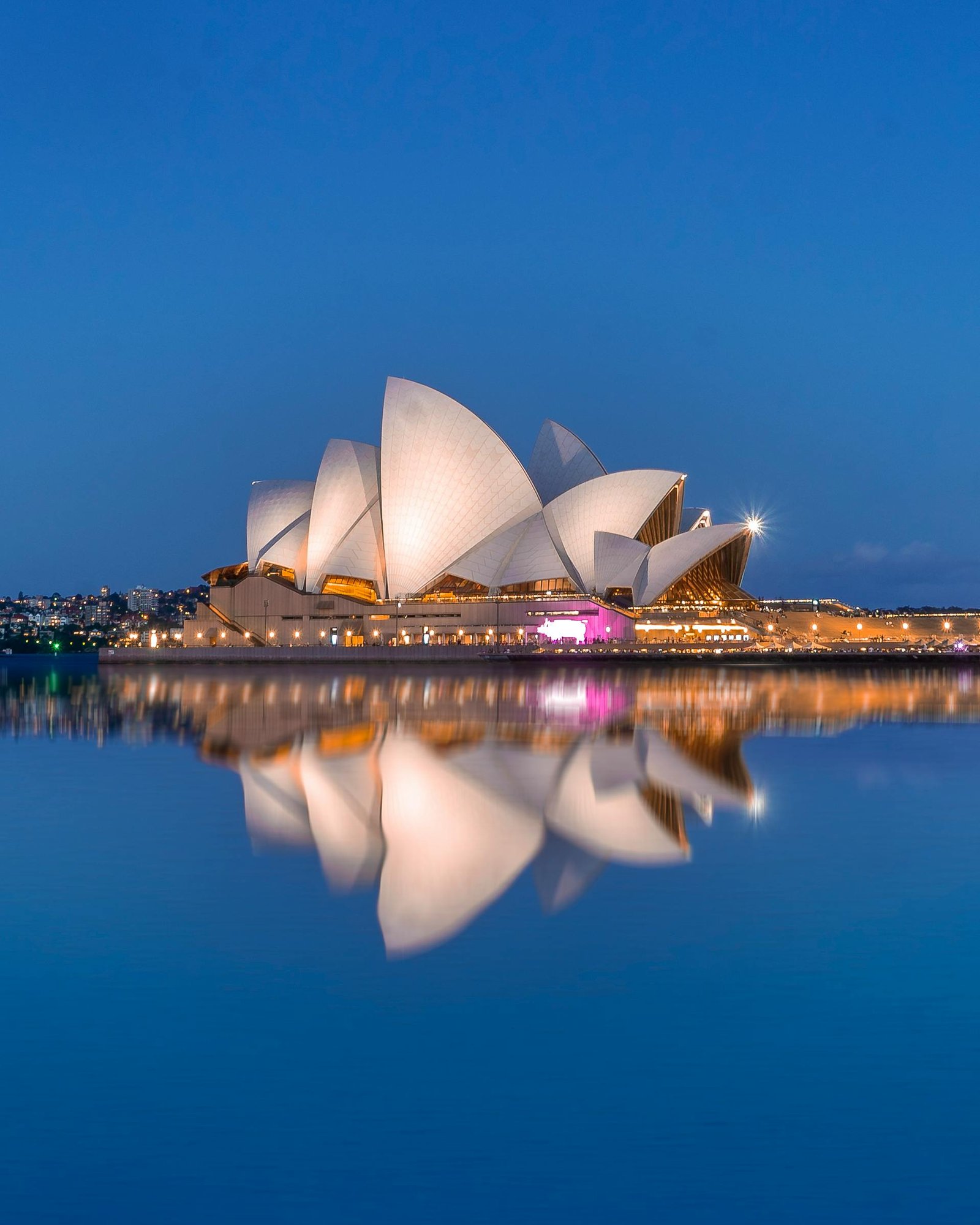
Melbourne, known for its vibrant culture and bustling city life, is also home to a wide array of native wildlife that is in need of conservation efforts to ensure their survival. Australia is home to some of the most unique and diverse species in the world, many of which are found in and around Melbourne. From iconic kangaroos and koalas to lesser-known species like the quokka and the echidna, the wildlife in this region is both fascinating and fragile. One of the biggest threats to Melbourne's wildlife is habitat loss due to urbanization and development. As the city expands, natural habitats are destroyed or fragmented, making it difficult for native species to find food, shelter, and breeding grounds. In addition, invasive species and climate change are putting further pressure on already vulnerable populations. Fortunately, there are several organizations in Melbourne dedicated to wildlife conservation and protection. The Melbourne Zoo, for example, is actively involved in breeding programs for endangered species and education initiatives to raise awareness about the importance of conservation. They also work closely with researchers and government agencies to implement strategies for protecting wildlife and their habitats. Another important aspect of wildlife conservation in Melbourne is community involvement. By engaging the public in conservation efforts, organizations can create a sense of connection and stewardship towards the local wildlife. This can be done through volunteering opportunities, citizen science projects, and educational programs for both children and adults. In addition to these efforts, government policies and regulations play a crucial role in protecting Melbourne's wildlife. By designating protected areas, implementing wildlife corridors, and enforcing laws against poaching and illegal wildlife trade, authorities can help ensure the long-term survival of native species. Overall, Melbourne's wildlife is a precious and irreplaceable part of the region's natural heritage. Through collaborative efforts between government, organizations, and the community, we can work together to conserve and protect these unique species for future generations to enjoy. By valuing and safeguarding our wildlife, we can ensure a healthy and balanced ecosystem for all living beings to thrive. this link is for more information https://www.culturelle.org For expert commentary, delve into https://www.departements.org To delve deeper into this subject, consider these articles: https://www.regionales.net If you are interested you can check the following website https://www.isnewzealand.com For a fresh perspective, give the following a read https://www.ismelbourne.com
Leave a Comment:
SEARCH
Recent News
- When it comes to shopping destinations, Zurich in Switzerland and Sydney in Australia have a lot to offer. Both cities are known for their unique shopping experiences, from high-end designer stores to trendy boutiques and local markets. Let's take a closer look at what each city has to offer for shopaholics.
- Zurich, Switzerland vs. Sydney Real Estate Market:
- Zurich, Switzerland, and Sydney, Australia, are two popular travel destinations known for their unique charm and vibrant atmospheres. Travelers looking to explore these cities often seek comfortable accommodation options to enhance their stay. In this article, we will guide you through some top hotels in Sydney to consider for your next visit, and also delve into the beautiful city of Zurich and highlight some of its charming hotels.
- Zurich, Switzerland and Sydney, Australia are two vibrant business hubs that offer unique experiences for entrepreneurs and professionals alike. From finance and banking to tech startups and creative industries, both cities have established themselves as key players in the global business landscape. Let's take a closer look at what makes Zurich and Sydney standout in the business world.
- Exploring the Best of Zurich, Switzerland and Melbourne Tourism
- "Exploring Zurich, Switzerland and the Thriving Startup Scene in Melbourne"
- Zurich, Switzerland, and Melbourne, Australia, are two cities known for their thriving economies and opportunities for investment. While Zurich is famous for its strong financial sector and reputation as a global financial hub, Melbourne is gaining recognition as a hot spot for property investment and startup ventures.
- Zurich, the bustling financial hub of Switzerland, and Melbourne, the vibrant business capital of Australia, are two cities that are miles apart in terms of geography but closer than you might think when it comes to their thriving business environments.
READ MORE
10 months ago Category :

When it comes to shopping destinations, Zurich in Switzerland and Sydney in Australia have a lot to offer. Both cities are known for their unique shopping experiences, from high-end designer stores to trendy boutiques and local markets. Let's take a closer look at what each city has to offer for shopaholics.
Read More →10 months ago Category :

Zurich, Switzerland vs. Sydney Real Estate Market:
Read More →10 months ago Category :

Zurich, Switzerland, and Sydney, Australia, are two popular travel destinations known for their unique charm and vibrant atmospheres. Travelers looking to explore these cities often seek comfortable accommodation options to enhance their stay. In this article, we will guide you through some top hotels in Sydney to consider for your next visit, and also delve into the beautiful city of Zurich and highlight some of its charming hotels.
Read More →10 months ago Category :
