Australia and Libya: A Closer Look at Energy Perspectives
Category : | Sub Category : Posted on 2025-11-03 22:25:23
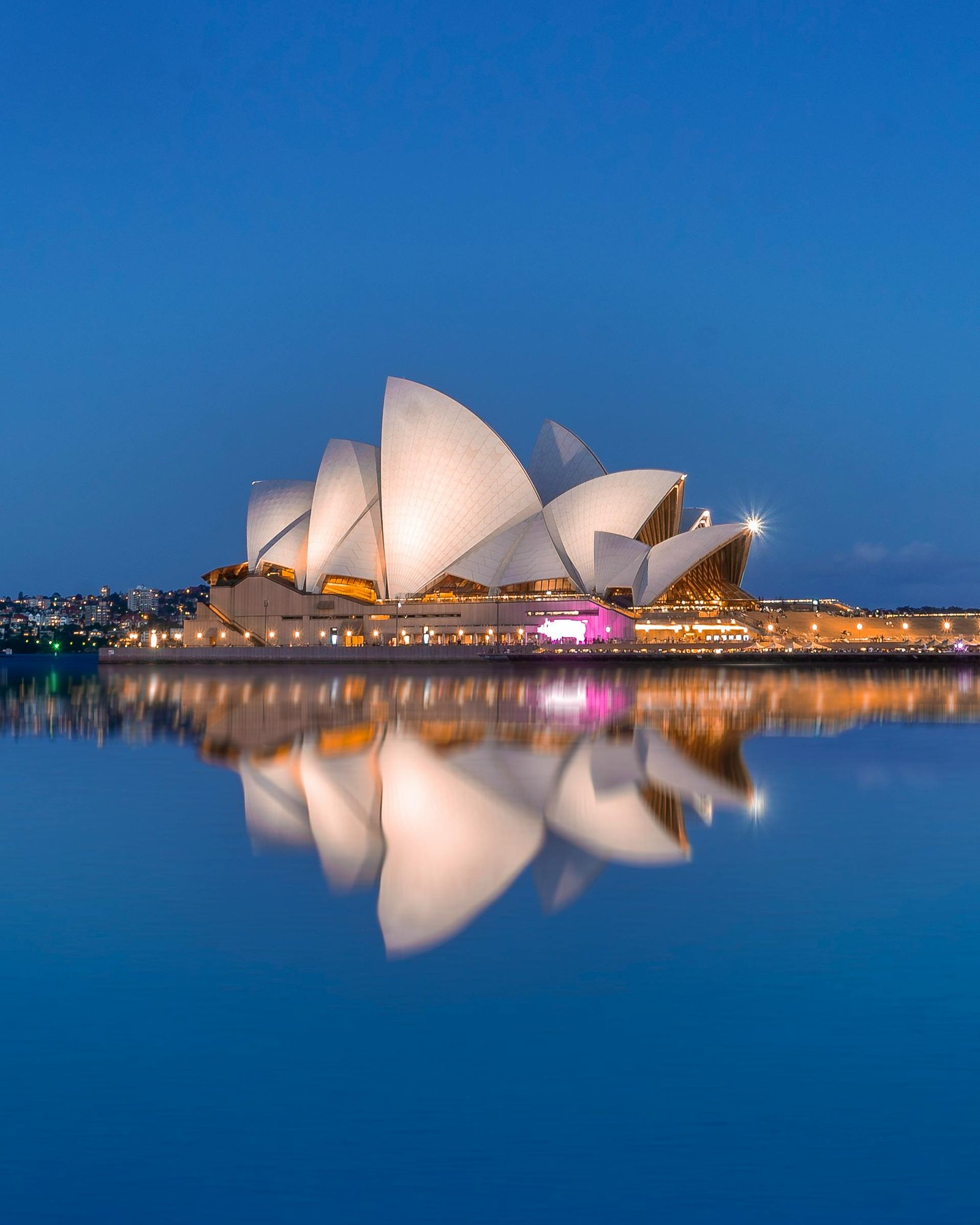
Australia and Libya, two countries located in different regions of the world, share a common interest in the Energy sector. While Australia is known for its abundant natural resources and emphasis on renewable energy, Libya possesses vast oil and gas reserves that have attracted significant global attention. In this article, we will delve into the energy perspectives of both countries and explore how their approaches differ in harnessing and utilizing energy resources. Australia, often referred to as the "sunshine country," has a diverse energy mix that includes coal, natural gas, renewable sources like solar and wind, as well as a growing interest in hydrogen technology. With its vast land area and favourable climate conditions, Australia has been investing heavily in renewable energy projects in recent years. The country aims to shift towards a more sustainable energy future, reduce greenhouse gas emissions, and combat climate change. Initiatives such as the Renewable Energy Target and the development of large-scale solar farms and wind projects demonstrate Australia's commitment to transitioning towards cleaner energy sources. On the other hand, Libya is a significant player in the global oil and gas market, possessing some of the largest oil reserves in Africa. The country's economy is heavily dependent on revenue generated from the export of oil, making it a crucial player in the global energy landscape. However, political instability and conflict in the region have hindered Libya's ability to fully capitalize on its energy potential. The ongoing civil unrest has disrupted oil production and distribution, impacting the country's economy and energy sector. Despite their differences in energy resources and approaches, Australia and Libya both face challenges in ensuring sustainable energy security and meeting the growing demand for energy. Australia's focus on renewable energy and transitioning towards a low-carbon economy aligns with global efforts to combat climate change and reduce reliance on fossil fuels. In contrast, Libya's oil-dominated economy highlights the importance of addressing political stability and security concerns to fully utilize its energy resources. In conclusion, Australia and Libya present contrasting energy perspectives, with Australia emphasizing renewable energy development and sustainability, while Libya relies heavily on its oil and gas reserves. Both countries have unique opportunities and challenges in the energy sector, highlighting the importance of diversifying energy sources, promoting energy efficiency, and addressing geopolitical factors to ensure a stable and sustainable energy future. also click the following link for more https://www.tonigeria.com Have a visit at https://www.tocongo.com click the following link for more information: https://www.toabudhabi.com Get more at https://www.abandonar.org Have a look at https://www.culturelle.org For a different perspective, see: https://www.departements.org For more information: https://www.regionales.net Visit the following website https://www.ncciraq.com For a different take on this issue, see https://www.todamascus.com Want to gain insights? Start with https://www.totunisia.com also for More in https://www.isnewzealand.com If you are enthusiast, check the following link https://www.ismelbourne.com To get a better understanding, go through https://www.libyainfo.com
Leave a Comment:
SEARCH
Recent News
- When it comes to shopping destinations, Zurich in Switzerland and Sydney in Australia have a lot to offer. Both cities are known for their unique shopping experiences, from high-end designer stores to trendy boutiques and local markets. Let's take a closer look at what each city has to offer for shopaholics.
- Zurich, Switzerland vs. Sydney Real Estate Market:
- Zurich, Switzerland, and Sydney, Australia, are two popular travel destinations known for their unique charm and vibrant atmospheres. Travelers looking to explore these cities often seek comfortable accommodation options to enhance their stay. In this article, we will guide you through some top hotels in Sydney to consider for your next visit, and also delve into the beautiful city of Zurich and highlight some of its charming hotels.
- Zurich, Switzerland and Sydney, Australia are two vibrant business hubs that offer unique experiences for entrepreneurs and professionals alike. From finance and banking to tech startups and creative industries, both cities have established themselves as key players in the global business landscape. Let's take a closer look at what makes Zurich and Sydney standout in the business world.
- Exploring the Best of Zurich, Switzerland and Melbourne Tourism
- "Exploring Zurich, Switzerland and the Thriving Startup Scene in Melbourne"
- Zurich, Switzerland, and Melbourne, Australia, are two cities known for their thriving economies and opportunities for investment. While Zurich is famous for its strong financial sector and reputation as a global financial hub, Melbourne is gaining recognition as a hot spot for property investment and startup ventures.
- Zurich, the bustling financial hub of Switzerland, and Melbourne, the vibrant business capital of Australia, are two cities that are miles apart in terms of geography but closer than you might think when it comes to their thriving business environments.
READ MORE
10 months ago Category :

When it comes to shopping destinations, Zurich in Switzerland and Sydney in Australia have a lot to offer. Both cities are known for their unique shopping experiences, from high-end designer stores to trendy boutiques and local markets. Let's take a closer look at what each city has to offer for shopaholics.
Read More →10 months ago Category :

Zurich, Switzerland vs. Sydney Real Estate Market:
Read More →10 months ago Category :

Zurich, Switzerland, and Sydney, Australia, are two popular travel destinations known for their unique charm and vibrant atmospheres. Travelers looking to explore these cities often seek comfortable accommodation options to enhance their stay. In this article, we will guide you through some top hotels in Sydney to consider for your next visit, and also delve into the beautiful city of Zurich and highlight some of its charming hotels.
Read More →10 months ago Category :
