Australian Government and Politics: Everything You Need to Know About Elections and Voting in Australia
Category : | Sub Category : Elections and Voting in Australia Posted on 2025-02-02 21:24:53
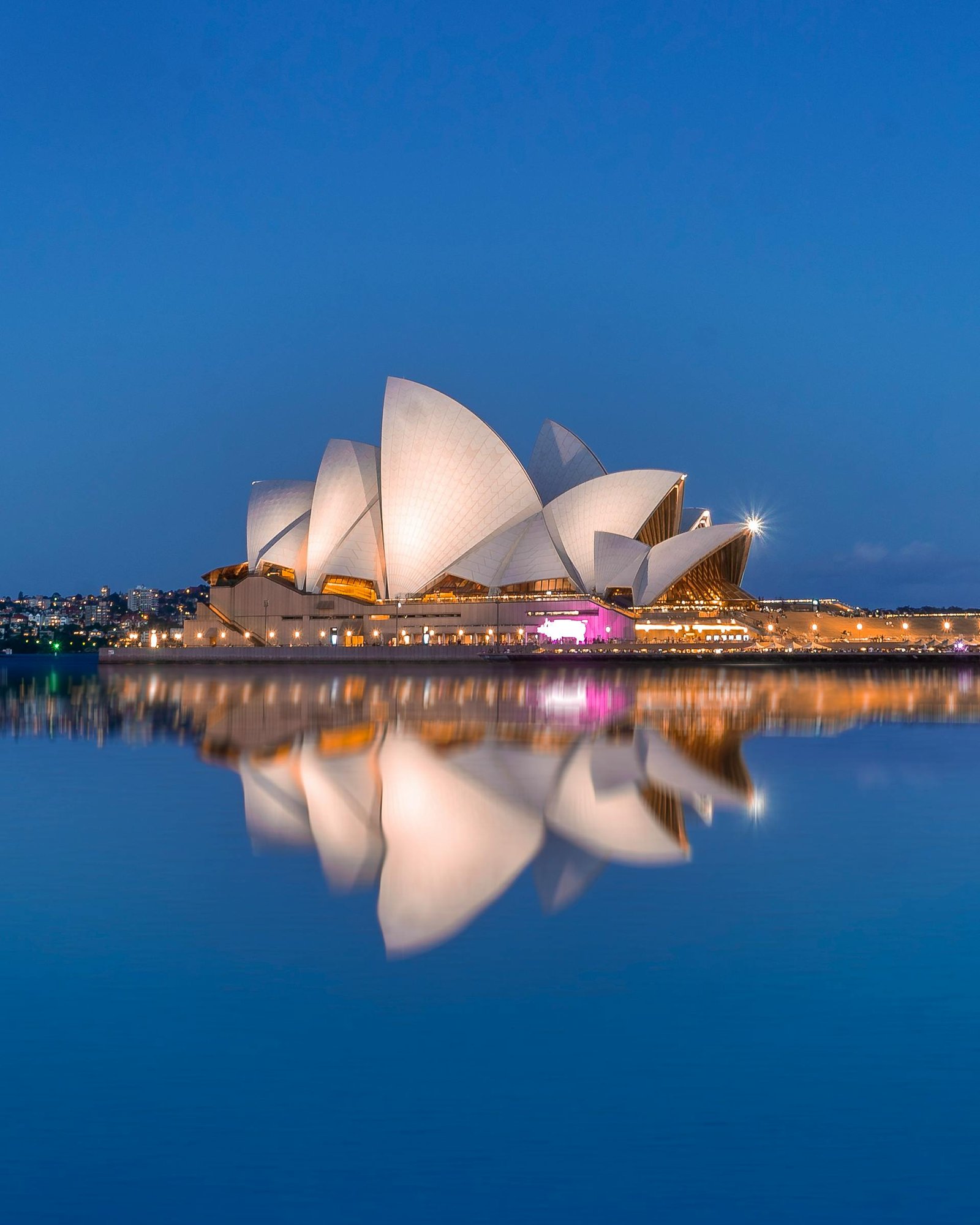
Australian Government and Politics: Everything You Need to Know About Elections and Voting in Australia
Australia is a country known for its beautiful landscapes, diverse wildlife, and democratic values. At the heart of its political system are the elections and voting processes that determine who will lead the country and make decisions on behalf of its citizens. In this blog post, we will delve into the Australian government and politics, focusing on the exciting world of elections and voting in Australia.
**The Australian Political System**
Australia operates under a federal system of government, where power is divided between the central government and the six states and two territories. The Parliament of Australia is the country's national legislature, consisting of two houses: the House of Representatives and the Senate. The Prime Minister, who is the head of government, is the leader of the party or coalition that holds the majority in the House of Representatives.
**The Electoral Process**
Australian citizens aged 18 and over are required to vote in federal and state elections, as voting is compulsory in Australia. The electoral system used in federal elections is preferential voting, also known as instant-runoff voting. Voters rank candidates in order of preference on the ballot paper, with the candidate who receives more than 50% of the vote winning the seat.
**Federal Elections**
Federal elections in Australia are held at least every three years to elect members to the House of Representatives and half of the Senate. The Governor-General, who represents the Queen of Australia, issues writs for the election. Election day is typically held on a Saturday to allow maximum participation from the public.
**State and Territory Elections**
In addition to federal elections, each state and territory in Australia holds its own elections to choose members of the respective state or territory parliaments. The electoral systems and voting procedures may vary slightly from federal elections, but the basic principles remain the same.
**Voting in Australia**
On election day, polling stations are set up across the country to allow citizens to cast their votes. In recent years, early voting has become increasingly popular, with voters able to cast their ballots in the lead-up to election day either in person or by post.
**The Role of Political Parties**
Political parties play a significant role in the Australian political landscape, with major parties including the Liberal Party, the Labor Party, the National Party, and the Australian Greens. Parties develop policies and campaigns to attract voters and ultimately win seats in parliament.
**Counting the Votes**
After the polls close on election day, the process of counting the votes begins. The Australian Electoral Commission (AEC) oversees the counting process, with results typically known on the night of the election. If a candidate wins more than 50% of the vote, they are declared the winner. Otherwise, a preference count may be required to determine the successful candidate.
**Conclusion**
Elections and voting are fundamental aspects of the Australian political system, allowing citizens to have a say in the direction of their country. By understanding how elections work and the role of voting, Australians can actively participate in shaping the future of their nation. The democratic process ensures that the voices of the people are heard and that leaders are held accountable for their actions. So, next time an election rolls around, be sure to exercise your democratic right and cast your vote for a better Australia.
Leave a Comment:
SEARCH
Recent News
- When it comes to shopping destinations, Zurich in Switzerland and Sydney in Australia have a lot to offer. Both cities are known for their unique shopping experiences, from high-end designer stores to trendy boutiques and local markets. Let's take a closer look at what each city has to offer for shopaholics.
- Zurich, Switzerland vs. Sydney Real Estate Market:
- Zurich, Switzerland, and Sydney, Australia, are two popular travel destinations known for their unique charm and vibrant atmospheres. Travelers looking to explore these cities often seek comfortable accommodation options to enhance their stay. In this article, we will guide you through some top hotels in Sydney to consider for your next visit, and also delve into the beautiful city of Zurich and highlight some of its charming hotels.
- Zurich, Switzerland and Sydney, Australia are two vibrant business hubs that offer unique experiences for entrepreneurs and professionals alike. From finance and banking to tech startups and creative industries, both cities have established themselves as key players in the global business landscape. Let's take a closer look at what makes Zurich and Sydney standout in the business world.
- Exploring the Best of Zurich, Switzerland and Melbourne Tourism
- "Exploring Zurich, Switzerland and the Thriving Startup Scene in Melbourne"
- Zurich, Switzerland, and Melbourne, Australia, are two cities known for their thriving economies and opportunities for investment. While Zurich is famous for its strong financial sector and reputation as a global financial hub, Melbourne is gaining recognition as a hot spot for property investment and startup ventures.
- Zurich, the bustling financial hub of Switzerland, and Melbourne, the vibrant business capital of Australia, are two cities that are miles apart in terms of geography but closer than you might think when it comes to their thriving business environments.
READ MORE
10 months ago Category :

When it comes to shopping destinations, Zurich in Switzerland and Sydney in Australia have a lot to offer. Both cities are known for their unique shopping experiences, from high-end designer stores to trendy boutiques and local markets. Let's take a closer look at what each city has to offer for shopaholics.
Read More →10 months ago Category :

Zurich, Switzerland vs. Sydney Real Estate Market:
Read More →10 months ago Category :

Zurich, Switzerland, and Sydney, Australia, are two popular travel destinations known for their unique charm and vibrant atmospheres. Travelers looking to explore these cities often seek comfortable accommodation options to enhance their stay. In this article, we will guide you through some top hotels in Sydney to consider for your next visit, and also delve into the beautiful city of Zurich and highlight some of its charming hotels.
Read More →10 months ago Category :
